Mattress Materials & Sleep Comfort
Choosing a Natural Latex Organic Mattress: Firmness, Feel, and Fit
A natural latex mattress can feel buoyant, gently contouring, or remarkably firm, depending on how it is built. The words “natural” and “organic” tell only part of the story. To find a bed that suits you, look beneath the label: compare firmness, latex layers, sleeping position, body weight, dimensions, and the certifications behind its materials.
Published October 29, 2026
Shopping for a mattress is one of those decisions that sounds simple until you begin comparing the details. A label promises natural latex; another emphasizes organic materials. One mattress is described as medium, another as supportive, and a third as plush. Yet none of those words, by itself, tells you exactly how the bed will feel when you settle in at the end of a long day.
Natural latex mattresses are often appreciated for a responsive, springy surface that cushions the body without the slow, enveloping sensation commonly associated with some memory foam beds. But latex is not a single, uniform sleep experience. Firmness, layer thickness, latex processing, mattress construction, and the foundation beneath the bed all influence the feel. The most useful approach is to treat the material name as a starting point—not a verdict.
This guide breaks down the practical choices that shape a natural latex organic mattress, from comfort and firmness to certification language and room-by-room fit. The goal is not to identify one universally perfect mattress. It is to help you decide which details matter most for your own sleep preferences.
What “natural latex” and “organic” really tell you
Natural latex is made from the milky sap of rubber trees, which is processed into foam. The phrase “natural latex” describes the material’s origin, but it does not automatically mean that every component in the finished mattress is natural or organic. A mattress may include latex alongside a fabric cover, quilting, fire barrier, or other materials, and those elements can differ from one design to another.
“Organic” is also a term worth examining closely. It may refer to certified latex, organic cotton in the cover, wool used in the comfort layers, or some combination of these. When environmental or material standards are important to you, check what the certification applies to: the latex itself, a textile, a finished product, or a specific stage of production. Certification names are useful only when you know what was certified and by whom.
Read the material description as a list rather than a headline. Look for the composition of each layer, the cover fabric, any added quilting, and the mattress’s care instructions. If a description uses broad claims without specifying the materials or relevant certifications, consider asking the manufacturer for clarification before making a decision.
How latex feels: buoyancy, contour, and ease of movement
The signature sensation many sleepers notice is buoyancy. Latex tends to respond quickly as pressure changes, creating a lifted, springy quality rather than the slower “sinking in” feeling of some other foams. The surface can still cushion shoulders, hips, and other pressure points; responsiveness does not mean hardness. It simply describes how readily the mattress adjusts and returns as you move.
That quick response can make changing positions feel easier for some people. If you roll from your side to your back during the night, the mattress does not necessarily feel as though it has to catch up with you. On the other hand, sleepers who prefer a deeply cradled, enveloping sensation may find a highly responsive latex bed less familiar. Neither preference is better. The right feel is the one that lets you relax comfortably.
Latex construction can also affect the character of the surface. A thicker comfort layer may create more cushioning, while a firmer or thinner top layer can feel more direct. Some mattresses use multiple latex layers, allowing the manufacturer to combine a softer upper feel with a more supportive base. Others rely on a simpler construction. Ask how each layer contributes to comfort rather than judging the mattress by its overall thickness alone.
Firmness is personal—and it is not the same as support
Firmness describes the first impression of a mattress: how soft or hard the surface feels when you lie down. Support refers to how well the mattress helps keep your body in a comfortable, stable position. These qualities are related, but they are not interchangeable. A mattress may feel soft at the surface while still providing substantial support underneath, or feel firm without being a good fit for a particular sleeper.
Labels such as “plush,” “medium,” and “firm” can be helpful when comparing options from the same maker, but they are not universal measurements. A medium mattress from one brand may feel firmer than a medium from another. Construction, body weight, preferred position, and even the surface beneath the mattress can change how a firmness level is experienced.
Rather than asking only, “How firm is it?” consider a more useful question: “Does this firmness let me rest comfortably without feeling that one area is under too much pressure?” Pay attention to the shoulders and hips when side sleeping, the lower back when lying on your back, and the general sense of ease when changing positions. A mattress should feel supportive without requiring you to tense your body to settle into it.
Sleeping position can help narrow the choices
Your usual sleeping position offers a practical starting point, though it should not dictate your decision. Many people change positions during the night, and two sleepers who both sleep on their sides may still prefer different levels of softness.
- Side sleepers often look for enough cushioning around the shoulders and hips to reduce a hard or crowded sensation at those points. A surface that feels too firm may not provide the pressure relief they prefer.
- Back sleepers may want a balanced feel that cushions the body while keeping the midsection from feeling as if it sinks too far. Comfort depends on body shape, mattress design, and individual preference.
- Stomach sleepers commonly consider a firmer, more stable surface, particularly if a softer mattress allows the hips to dip in a way that feels uncomfortable. Personal comfort remains central.
- Combination sleepers may appreciate latex’s quick response if they move between positions. They should still check that the chosen firmness feels comfortable in each position they use regularly.
These are general considerations, not medical rules. If you have persistent pain, a diagnosed condition, or a specific clinical recommendation, discuss mattress-related concerns with a qualified health professional. A mattress can affect comfort, but it is not a substitute for individualized medical advice.
Body weight and build can change the feel
The same mattress can feel different to different people because the body interacts with the surface in different ways. A lighter sleeper may experience a mattress as firmer because they compress its upper layers less. A heavier sleeper may press farther into those layers and experience more cushioning—or may prefer a stronger, more stable construction. These are broad tendencies, not guarantees; mattress design and individual perception matter, too.
When comparing options, try to understand how the mattress is intended to perform across a range of body types. If you share a bed, discuss both sleepers’ preferences instead of assuming one person’s ideal firmness will work equally well for the other. A split firmness arrangement, where available, may be worth investigating for couples with noticeably different comfort needs.
Test the bed in more than one position if possible. Spend enough time lying still to notice pressure points, then shift position and see whether the surface responds comfortably. A quick sit on the edge or a brief showroom test can provide a first impression, but it may not reveal how the mattress feels over a full night.
Layer construction: what to look for in the details
Two natural latex organic mattresses can use similar materials and still feel quite different. The arrangement and thickness of their layers make a difference. A softer comfort layer over a firmer base may provide a gentler initial feel with deeper support. A uniform latex core may create a more consistent, even surface. The cover and any quilting can also add a subtle layer of softness or structure.
Ask whether the mattress has a single firmness or multiple comfort zones, and whether its layers can be rearranged or replaced. A modular design may offer flexibility if your preferences change or if two sides of the bed need different feels. With a fixed construction, the model’s overall firmness and return policy become especially important considerations.
Also check whether the mattress is designed for a particular foundation. Slats that are too widely spaced, an unsuitable platform, or a weak support base may affect how the bed performs and may conflict with the manufacturer’s requirements. Confirm foundation compatibility before buying, especially if you plan to place the mattress on an existing frame.
A careful look at certifications and material claims
Certification can help make material claims more specific, but no single label answers every question. Some certifications relate to organic agricultural practices or textile processing; others assess emissions, chemical restrictions, or supply-chain standards. A certification may cover one component rather than the complete mattress.
Look for the certification name, its scope, and the specific materials it covers. If a seller says a mattress is organic, ask whether that claim refers to the latex, the cover, the entire product, or particular components. Review the product information and, when available, the certifier’s own documentation. This is especially useful if you are shopping because of allergies, sensitivities, or a preference for particular production standards.
“Natural” does not necessarily mean that a product is free from every synthetic ingredient, and “organic” does not automatically mean that a mattress is right for everyone. Good shopping decisions rely on clear descriptions, appropriate certifications, and a realistic understanding of what the finished mattress contains.
Choose the right mattress dimensions and check the fit
A mattress can feel perfect in a showroom and still become a frustrating choice if it does not fit the room, frame, or daily routine. Start with the exact dimensions of your bed base and compare them with the mattress specifications. “Queen,” “king,” and other familiar size names are useful shorthand, but verify the measurements—particularly if your frame is an older or unusual model.
Think about the room as well as the mattress. Measure doorways, stairwells, hallways, and tight turns along the delivery route. A mattress that fits in the bedroom may be difficult to maneuver through the home. Check the mattress’s weight and delivery requirements, too, especially if you expect to move or rotate it without assistance.
For couples, larger dimensions may create more room to move without disturbing one another, provided the bedroom and frame can accommodate the size. For a guest room or a smaller space, a compact option may leave more room to walk around the bed. Consider the sheets and mattress protector you already own; a new mattress height may require deeper-pocket bedding even when the length and width remain the same.
Temperature, covers, and the layers on top
Sleep temperature is influenced by more than the mattress core. The room, bedding, sleepwear, humidity, and individual temperature preference all play a part. A mattress’s cover and construction can affect airflow and surface feel, but no material description guarantees that every sleeper will feel cool or warm. If you tend to overheat, compare the full construction and consider how your sheets and blankets contribute to the sleep environment.
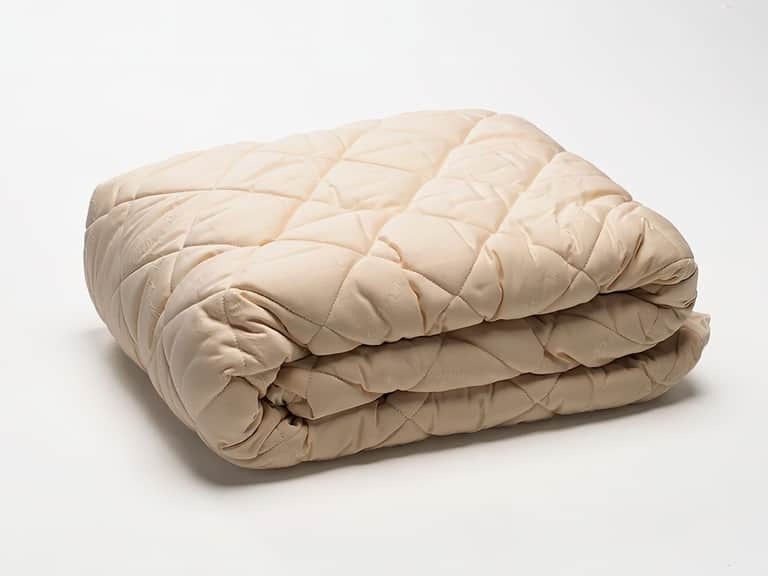
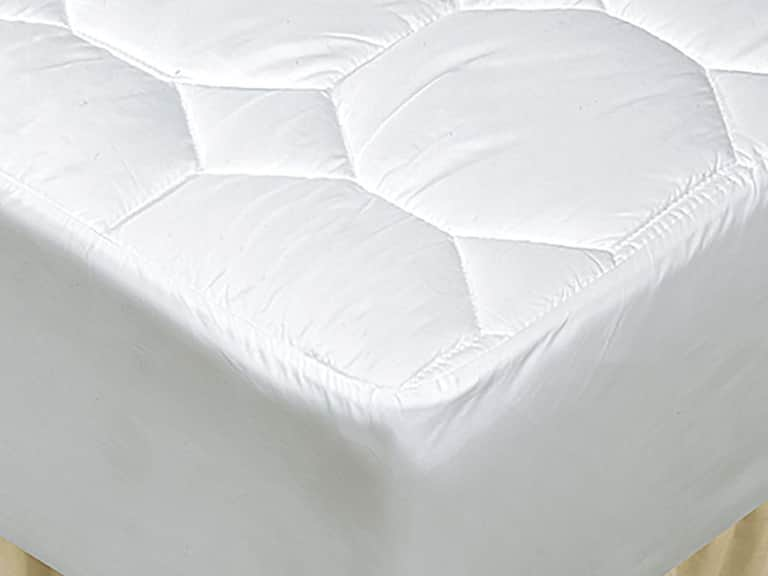
A mattress protector can help shield the bed from spills and everyday soil, but its fabric and waterproofing layer may change the surface feel. A thick, quilted topper can make a firm mattress feel softer, while a thin cover may have little effect on firmness. If you are choosing a mattress partly for its buoyant latex feel, remember that substantial added layers can alter that experience.
Read care instructions before adding bedding or a protector. Some mattresses should not be folded, soaked, or exposed to particular cleaning products. Following the manufacturer’s guidance can help preserve the materials and may be important for warranty coverage.
A practical comparison checklist
When several options seem promising, compare them side by side rather than relying on a single headline claim. Keep a short note of what you learn; mattress descriptions can blur together quickly once you have viewed a few.
- What materials are used in each layer, cover, and quilted surface?
- What does the stated firmness mean within this particular mattress range?
- How does the design suit your usual sleeping positions and comfort preferences?
- Will the mattress fit your frame, room, delivery route, and preferred bed height?
- Which certifications apply, and what specific materials do they cover?
- What foundation is required, and are there care or rotation instructions?
- What are the trial, return, exchange, delivery, and warranty terms?
Trial and return policies deserve special attention because a short test may not predict how a mattress feels after several nights. Check the length of the trial, any required break-in period, return fees, pickup arrangements, and conditions that could affect eligibility. A warranty is separate from a comfort trial: it generally addresses specified defects rather than a change of mind about firmness.
Common mistakes to avoid
One frequent mistake is assuming that every natural latex organic mattress feels alike. Material origin matters, but it cannot replace information about firmness and construction. Another is buying the firmest model because “more support” sounds like a universal goal. A mattress that feels uncomfortably hard is not automatically more supportive for your body.
It is also easy to overlook the bed frame, mattress height, or bedding. A poorly matched foundation can compromise the setup, while a thick topper may transform the feel you selected with care. Finally, avoid treating a certification as a substitute for reading the product description. The most helpful decision combines documented materials with a comfort test and a careful look at practical fit.
The bottom line: match the mattress to your own sleep
A natural latex organic mattress may appeal to sleepers who want a responsive surface and are interested in carefully specified materials. But there is no single firmness or construction that suits everyone. The best choice depends on how you sleep, how much cushioning you enjoy, how your body responds to pressure, and whether the mattress fits your room and foundation.
Let the label start the conversation, then look deeper. Compare the layer descriptions, test the mattress in your usual positions, check what certifications actually cover, and measure before you commit. That thoughtful combination—materials, feel, and fit—offers a far more personal guide than any one-word firmness rating can provide.