Down Alternatives vs. Natural Fillings: A Practical Guide for Bedding Material Decisions

Explore how down alternatives compare to natural fillings like wool and latex across comfort, warmth, and care. This guide helps shoppers make informed choices when evaluating options from trusted brands such as Naturepedic, Sleep and Beyond, and Suite Sleep.

Introduction

In the world of bedding, material choices define the night’s comfort. The debate between down alternatives and natural fillings is about more than loft; it touches on temperature regulation, moisture management, durability, washing practicality, and even allergy concerns. For years, industry leaders and sleep-conscious households have weighed options from down-filled mattress pads to wool protectors and latex toppers, seeking a balance of warmth, breathability, and longevity. This guide walks you through the essentials, with real-world insights drawn from brands that people trust for quality and transparency.

We’ll examine the key players: down alternatives like synthetic microfibers that mimic the fluff of natural down; wool, celebrated for its remarkable moisture-wicking and temperature-regulating properties; and natural latex, known for supportive resilience and durability. Along the way, we’ll spotlight notable products such as the Monmouth Mattress Pad from Sferra, and representations from Naturepedic, Sleep and Beyond, and Suite Sleep to illustrate practical application.


Material Deep-Dive: Down Alternatives, Wool, and Latex

Understanding the core differences helps you tailor a setup that aligns with your sleep style. We explore each material category, focusing on warmth, breathability, moisture management, and durability, with practical examples drawn from industry-leading brands.

Down Alternatives: Light Loft without the Feathers

Down alternatives (often called down-alternative fills) are synthetic fibers engineered to mimic the airy loft and warmth of natural down. They tend to be lighter on the body and easier to care for, making them a popular choice for allergy-prone sleepers and households seeking straightforward laundry routines. Modern pluma-fil or siliconized microfiber fills deliver a cushiony feel, distributing warmth evenly across the surface. In a product like Arcadia or Downtown Company pads, the emphasis is on a stable, evenly distributed fill using box construction to prevent shifting and clumping.

Care and durability aren’t far behind. Most down-alternative layers are machine washable and dryer-friendly, which simplifies maintenance for busy households. However, the trade-off can be a lower long-term warmth retention and loft compared to premium natural fillings, depending on fabric shell and overall construction. When evaluating, review fill weight, shell material, and the depth of pockets to estimate how the loft will hold over time.

Wool and Latex: Nature’s Temperature Regulators

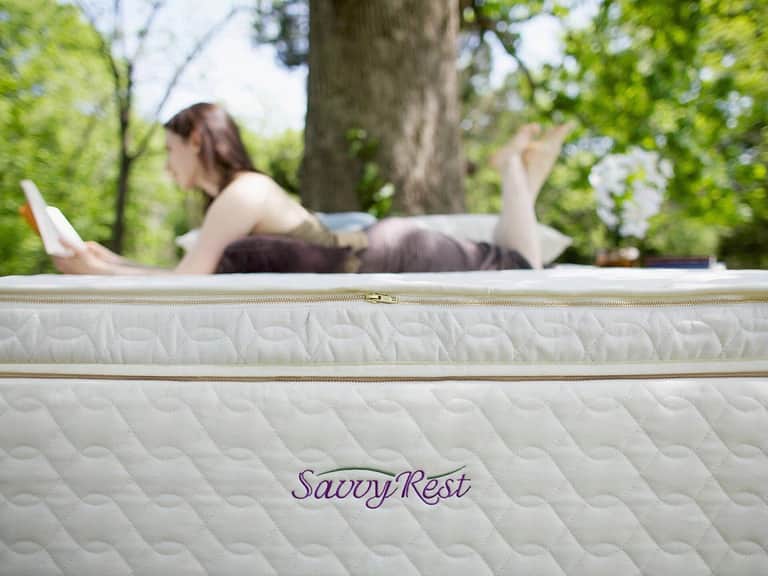
Wool stands out for its natural moisture-wicking capability. It helps regulate humidity, keeping the sleeper dry in warmer nights and providing a cozy buffer during cooler seasons. A wool-filled mattress pad, such as Obasan’s Organic Wool Moisture Pad Protector, pairs wool with a breathable cover to maintain a comfortable climate without relying on synthetic cooling technologies. Latex, particularly natural Dunlop or Talalay latex, offers resilient, contouring support with a buoyant feel. A Savvy Rest Unity Pillowtop Latex Mattress exemplifies how latex layers can be layered for customized firmness, while still maintaining an organic, skin-friendly outer casing.

Durability is a hallmark of natural fillings. Wool and latex tend to maintain loft and support longer than many synthetics, but they require mindful care. Wool requires gentle washing and proper drying to preserve loft, while latex can resist compression but may feel firmer over time if not paired with the right top layers. When choosing wool or latex, consider your sleep position, temperature preferences, and the level of contouring you desire.

Brand Perspectives: Real-World Examples

To ground these material choices, let’s look at concrete products from brands that shape the market and consumer conversation. Naturepedic emphasizes organic, chemical-free protection with waterproofing layers designed for safety. Sleep and Beyond offers organic cotton with TPU waterproof membranes, balancing breathability with protection. Suite Sleep presents a range of sustainable options including wool and organic cotton, focusing on eco-conscious craftsmanship.

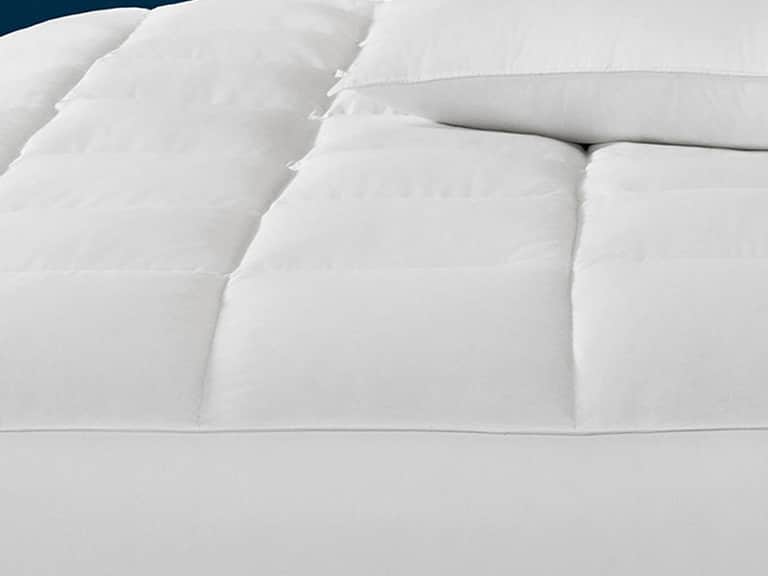
A standout example is the Monmouth Mattress Pad by Sferra, a high-loft, down-filled pad wrapped in a breathable cotton batiste shell. Its 10-inch sewn-through box construction helps keep fill evenly distributed, providing a luxurious feel and secure fit that remains comfortable night after night. This product illustrates how premium natural fillings can deliver exceptional loft and warmth, while still maintaining a refined, durable exterior.

Product Spotlight: Monmouth Mattress Pad

The Monmouth Mattress Pad from Sferra uses European white goose down with a 600+ fill power, encased in a 307TC cotton batiste shell. It features 10-inch sewn-through box construction and elasticized sides to fit up to a 20-inch-deep mattress. Made in the USA with imported materials, it epitomizes the luxury end of down-filled pads—exceptional loft, softness, and a secure, plush feel that’s hard to match in synthetic alternatives.

Product Image

Monmouth Mattress Pad by Sferra

Care, Durability, and Sustainability Considerations

Care instructions become a crucial factor when choosing between down alternatives and natural fillings. Synthetic fills are typically machine washable and quick to dry, making them convenient for busy households. Natural fillings, while luxurious, often require more mindful handling to preserve loft and fiber integrity. Organic cotton covers and GOTS certification further influence the environmental impact and chemical exposure associated with bedding. Sustainability-minded consumers may seek out brands that emphasize certified organic materials, ethical sourcing, and minimal off-gassing in waterproof membranes.

Durability varies with construction. Quilted designs with multiple sewn-through boxes can help ensure even distribution of fill and long-lasting loft. In contrast, simple sewn-through designs may compress more quickly in certain areas. When evaluating options, pay attention to fill weight or loft targets, the number of channels or box construction, and the breathability of the fabric shell. A balanced choice combines comfortable loft with stable support and ease of care.

Sustainability Spotlight: Suite Sleep Wool-Filled Pad

Suite Sleep’s Wool-Filled Mattress Pad showcases a natural fiber approach, featuring Merino wool fill contained in a quilted organic cotton cover. The combination leverages wool’s moisture-wicking properties to maintain comfort year-round and aligns with eco-friendly craftsmanship. Dry-clean or spot-clean as recommended, ensuring long-term sustainability without sacrificing performance.

Product Image

Suite Sleep Wool-Filled Mattress Pad

How to Choose: A Step-by-Step Decision Guide

Choosing between down alternatives, wool, and latex depends on your sleep style, budget, and maintenance expectations. Start with your temperature preferences: do you sleep hot or cold? If you tend to run warm, a wool-infused or latex-based topper can provide breathable comfort. If you prioritize ease of care and a lightweight feel, a down-alternative filled pad may be the better path. Think about allergies and sensitivities: down alternatives are often hypoallergenic, while wool can cause issues for some; latex is naturally resistant to dust mites but may provoke allergies in sensitive individuals.

  1. Identify the core sleep priorities: loft, temperature control, and contouring support.
  2. Assess maintenance expectations: machine washable vs. spot-clean, and dry-time considerations.
  3. Evaluate shell and fill power: organic cotton, batiste, and the fill’s weight and loft.
  4. Consider sustainability: certifications like GOTS, Oeko-Tex, and ethical sourcing.
  5. Review warranty and care guides from reputable brands to ensure longevity.

Brands to Know

Naturepedic champions organic, PVC-free waterproofing with a selective approach to membranes. Sleep and Beyond emphasizes GOTS-certified organic cotton and breathable layers. Suite Sleep highlights sustainable, washable options with organic shells. When you’re comparing products from these brands, note the shell materials, fill type, depth compatibility, and warranty terms to ensure your choice aligns with your lifestyle and budget.

Brand Spotlight Images

Naturepedic Organic Cotton Waterproof Protector

Inspired by real-world bedding science and consumer-tested materials, this guide presents a balanced view of down alternatives, wool, and latex fillings. It reflects a non-commercial, educational stance while highlighting specific products to illuminate choices.

Key sources: Naturepedic, Sleep and Beyond, Suite Sleep, Monmouth Mattress Pad, and the DownTown Company examples. Images displayed with permission or from brand galleries where applicable.

Related Products

Monmouth Mattress Pad

Sferra

Monmouth Mattress Pad

Experience cloud-like comfort with breathable, lofty down that stays evenly cushioned for restful nights; elastic sides fit deep mattresses up to 20", and easy care keeps it fresh wash after wash.
Savvy Rest Unity Pillowtop Latex Mattress

Savvy Rest · No. SAVVYREST-UNITY-PILLOWTOP-MATTRESS-13INCH-3 PIECE DUNLOP-1 TALALAY

Savvy Rest Unity Pillowtop Latex Mattress

Experience cloudlike plushness with tailored comfort: a 13" latex pillowtop that blends Serenity and Harmony layers, easing pressure for side sleepers, while customizable firmness and a soft top surface feel luxurious and restorative.
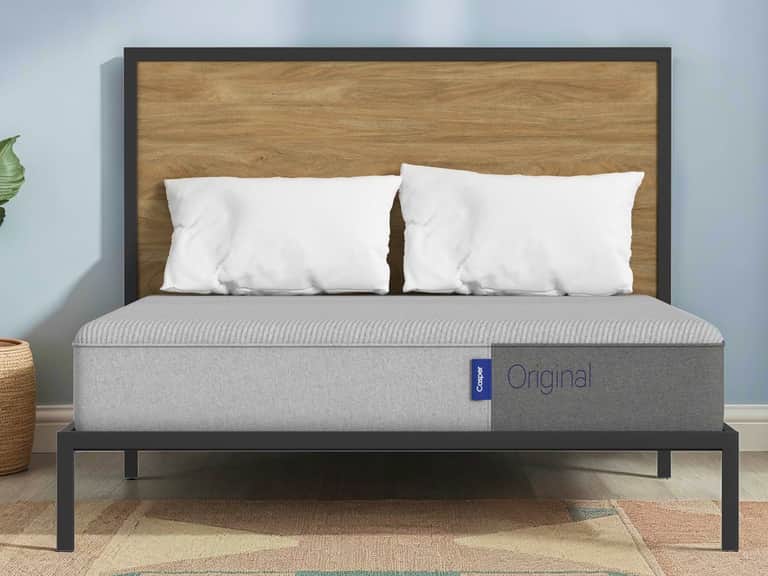
Original Mattress

Casper

Original Mattress

Sleep cooler and more comfortable with Casper Signature Foam and memory foam that cushions pressure. Three-zone Zoned Support keeps your spine aligned for balanced, responsive support from top to base.

Theme